Why pancakes
Eggs, fat, and the day before Lent
The Church of England gives the kitchen reason for the nickname. The parish in Olney tells the same story, and then explains the word “shrive.”
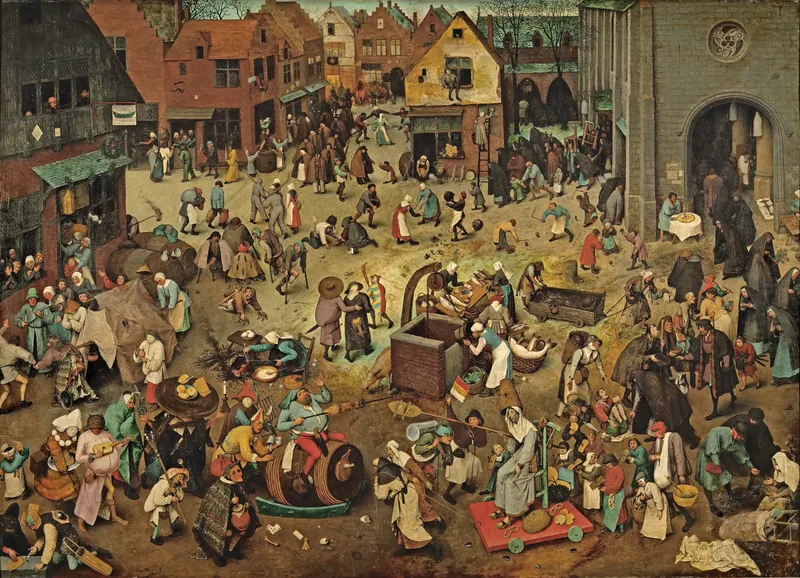
“For many centuries it has been the custom to observe some form of fasting during Lent, and many Christians today continue the practice of doing without a particular kind of food.” That is the Church of England. “Shrove Tuesday is the opportunity to use up rich food, including eggs and fat which could be used in making pancakes — hence the nickname, ‘Pancake Day’.” [source]
The parish of St Peter and St Paul, Olney, puts it in almost the same kitchen: “Traditionally this day was a time in which all of the household stocks of fat and sweet ingredients were exhausted in the making of pancakes, in readiness for the period of fasting (giving things up) for the season of Lent.” The same parish page adds that “this tradition also provides the name for the ‘Mardi Gras’ (Fat Tuesday) festivals held in other parts of the world.” [source]
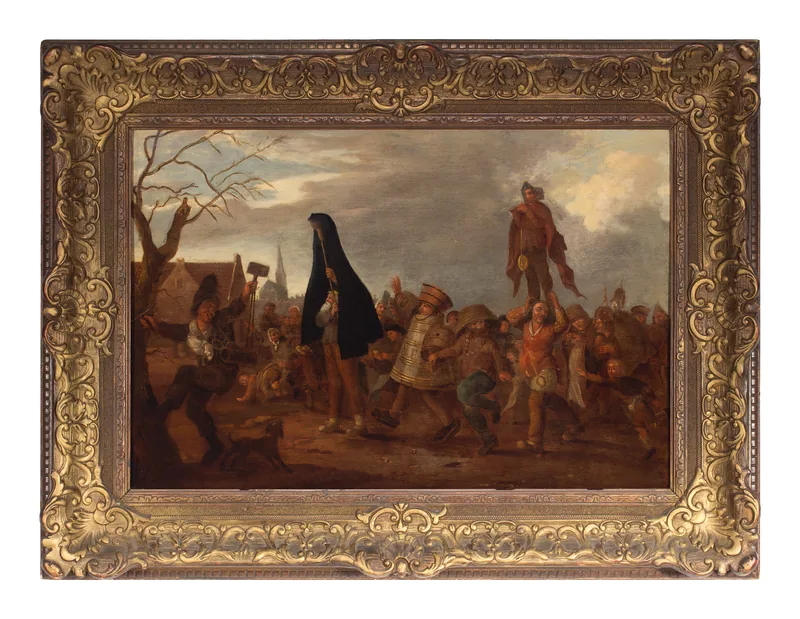
The word behind the day is told in Olney, not on the Church of England’s Lent page. The parish says: “‘Shrove’ and ‘Shriving’ arise from ‘Shriven’ in which our ‘sins’, failings and mistakes are brought to God in the sure hope of His forgiveness.” The Church of England page used on this site does not itself use the words “shrive” or “shriving.” Both official pages are quoted in their own wording. [source] [source]
A much older reference work, the 1911 Encyclopaedia Britannica, called it “the day on which ‘shrift’ or confession was made in preparation for the great fast,” and said that in England “the eating of pancakes alone survives as a social custom, the day having been called at one time ‘Pancake Tuesday.’” That is 1911 wording, not a modern official rule, and it is not rewritten into the Church of England or Olney pages. [source]
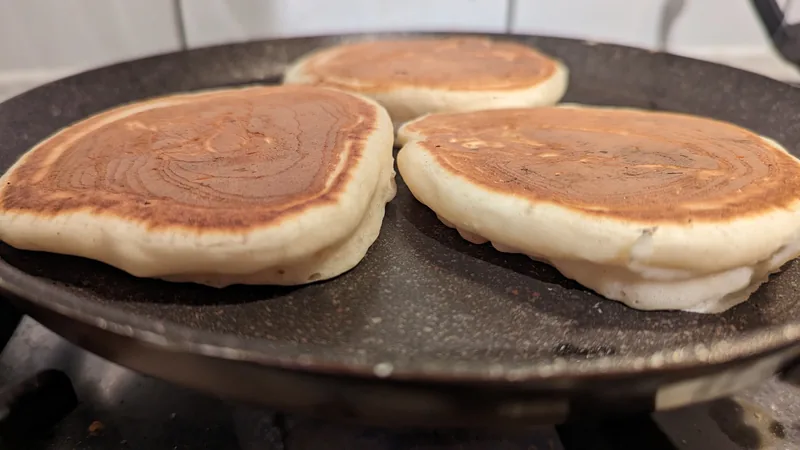
The pancakes themselves need not be from Olney to belong to the day. A kitchen photograph on this site, taken on 13 February 2024 — which was Shrove Tuesday — shows buttermilk pancakes from a recipe by Darina Allen. It is a picture of the food, not of the race. The official reason for making them, on the Church of England’s page, remains the same whether the pan is in a Buckinghamshire street or on a kitchen stove. The food and the race share a Tuesday, not a single official story. One page gives you the kitchen and the calendar. Another gives you 415 yards, a finishing line in Church Street, and a service a quarter of an hour later. A third, in another country, keeps a start line and a monument. Reading them together is better than flattening them, and it leaves a curious reader with more to tell, and more to look up, than a single neat official line would have done. [source]
Keep exploring
Enjoyed Pancake Day?
No pop-ups. No intrusive advertising. Just interesting stuff. A little support helps the next traditions site get built.